
Asian Bridal Dresses
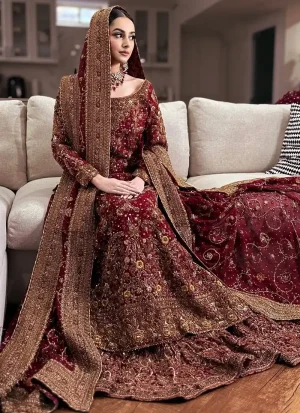
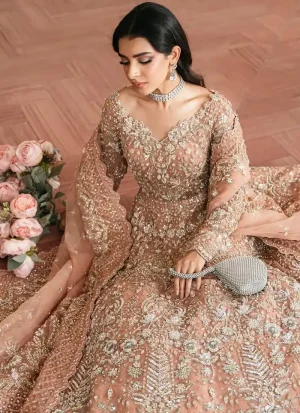
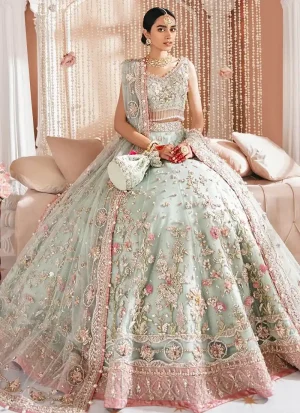
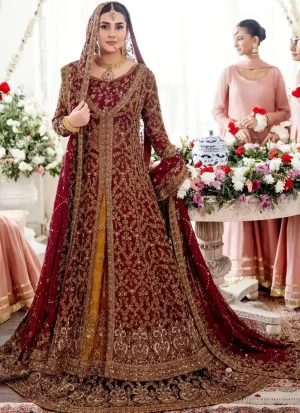
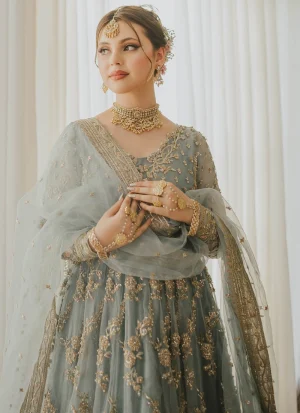
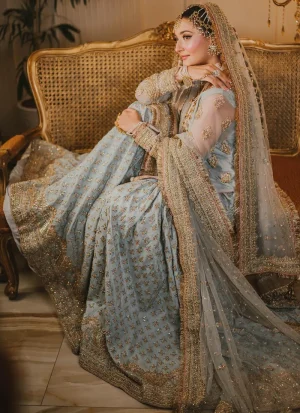
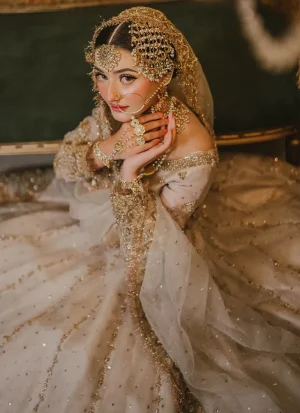
Our Asian bridal dresses use the term in its British sense: South Asian bridal wear, not East Asian styles. The collection covers the lehengas, ghararas, sarees, gowns and pishwas worn by brides from Pakistani, Indian and wider South Asian families, usually paired with a heavily worked bridal dupatta. It is arranged for brides planning several wedding functions, each with its own look, and every bridal piece is made to your measurements. For our core bridal range and its event collections, start with Pakistani bridal dresses.
Ergebnisse 1 – 20 von 170 werden angezeigtNach Aktualität sortiert
-

-
 €899.00
 -
 €1,195.00
 -
Ursprünglicher Preis war: €1,439.00€1,079.00Aktueller Preis ist: €1,079.00.
-
€899.00
-
€1,149.00
-
€849.00
-
€999.00
-
€1,199.00
-
€899.00
-
€899.00
-
€799.00
-
€999.00
-
€999.00
-
€899.00
-
€899.00
-
€599.00
-
€949.00






Ergebnisse 1 – 20 von 170 werden angezeigtNach Aktualität sortiert
One Wedding, Several Bridal Looks
A South Asian wedding rarely means one outfit. The mehndi calls for colour and movement. The nikkah is often lighter in tone, with white, ivory and pastels widely chosen. The baraat carries the heaviest embroidery and the traditional reds and maroons, and the walima or reception tends toward softer palettes or a more formal finish. Planning the functions together stops the looks from repeating each other; if the nikkah comes first, our nikkah dresses are a good place to start.
Choosing an Asian Bridal Silhouette
The silhouette decides how the day feels to wear, not only how it photographs.
- Bridal lehenga: a full skirt worn with a blouse or longer shirt. It gives the most volume, and because the weight sits at the waist, a well-fitted waistband matters.
- Bridal gharara: divided trousers fitted to the knee, then flaring from an embroidered joint. Structured, traditional and closely tied to Muslim bridal dress.
- Bridal saree: a draped length over a fitted blouse. Often lighter to carry than a full lehenga, though the drape needs careful setting and pinning.
- Bridal gown: a one-piece silhouette, often with a trail. There is no skirt and top to coordinate, which makes it a practical choice for a long reception.
Pakistani and Indian Bridal Styles Compared
Both traditions share the same basic shapes, so the differences sit in the detail. Pakistani bridal wear often pairs the lehenga with a longer shirt, relies heavily on hand embellishment such as dabka, tilla and zardozi, and treats the head-covering dupatta as central, especially for the nikkah and rukhsati. Indian bridal styles more often combine the lehenga with a short choli and vary strongly by region, from North Indian lehengas to Bengali and South Indian silk sarees. For Indian-style pieces, see our Indian wedding dresses.
Planning a Made-to-Measure Bridal Order
Bridal pieces are made to your confirmed measurements and the specifications you approve. Colour, silhouette, embroidery, sleeves, neckline, dupatta and coverage can be adjusted where it is technically possible: long sleeves and a higher neckline for the nikkah, for example, or a lighter dupatta for the reception. Production time is part of every bridal order and cannot be shortened indefinitely, so get in touch early once your date is fixed. Questions about sizing, fabric or timing can be raised on WhatsApp or by email before you order.