
Punjabi Bridal Suits
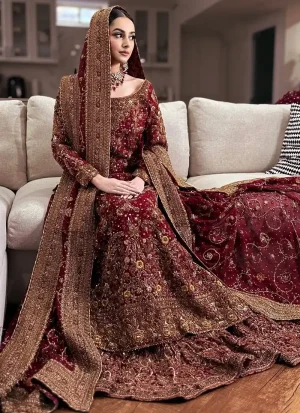
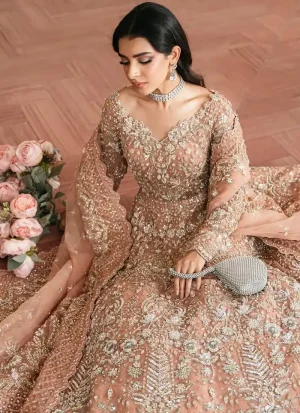
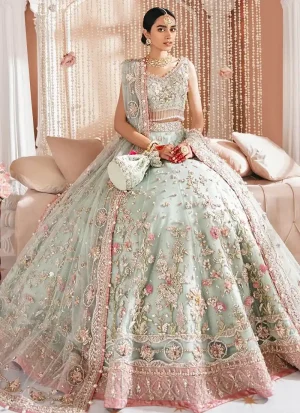
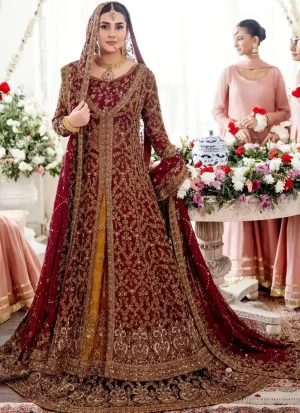
A Punjabi bridal suit is the salwar kameez at its most ceremonial: an embroidered kameez, a salwar that is often a deeply pleated patiala, and a large, heavily worked dupatta that covers the head. It is the traditional choice for the Anand Karaj, the Sikh wedding ceremony, and many Punjabi brides from Muslim and Hindu families choose one too, for the nikkah or a smaller function, when they prefer a suit to a lehenga. Red, maroon, pink and orange are the classic shades. Bridal suits are made to your measurements; for lehenga and gharara looks, see our Pakistani bridal collection.
Ergebnisse 1 – 20 von 170 werden angezeigtNach Aktualität sortiert
-

-
 €899.00
 -
 €1,195.00
 -
Ursprünglicher Preis war: €1,439.00€1,079.00Aktueller Preis ist: €1,079.00.
-
€899.00
-
€1,149.00
-
€849.00
-
€999.00
-
€1,199.00
-
€899.00
-
€899.00
-
€799.00
-
€999.00
-
€999.00
-
€899.00
-
€899.00
-
€599.00
-
€949.00




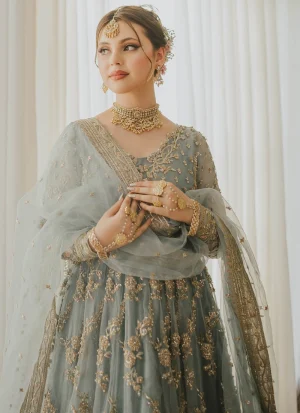
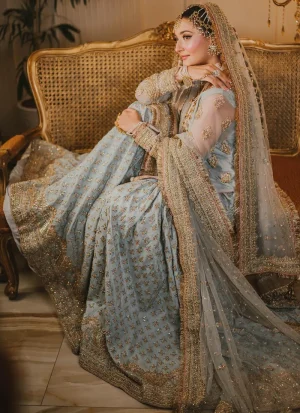
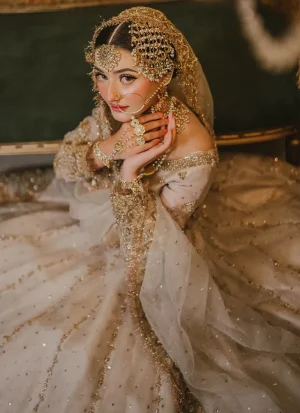


Ergebnisse 1 – 20 von 170 werden angezeigtNach Aktualität sortiert
What Turns a Salwar Suit into a Bridal Suit
The difference is in scale and finish. A bridal kameez carries embroidery across the neckline, the sleeves and the daman, its hem border, rather than on a single panel, and is cut from silk, velvet, raw silk or a heavier georgette. The dupatta is the centrepiece: large enough to drape over the head and shoulders, bordered on all four sides and often more heavily worked than the suit itself, because it frames the face through the ceremony and in most photographs. Everyday and guest suits are gathered in our salwar kameez collection.
Patiala, Straight or Dhoti Salwar
- Patiala salwar: cut from a wide length of fabric with deep pleats that fall in folds and gather at the ankle. It is the most traditionally Punjabi choice and pairs with a shorter kameez so the pleats show.
- Straight salwar or trousers: a cleaner line under a longer kameez, closer to a Pakistani formal suit.
- Dhoti salwar: draped at the front for a softer, more contemporary shape.
Phulkari and Punjabi Embroidery
Phulkari, literally “flower work”, is the folk embroidery of the Punjab on both sides of the border. It was traditionally worked in untwisted silk floss in a darning stitch on hand-spun cotton, and phulkari shawls were part of a bride’s trousseau. Where the flowers are spaced out and the base cloth shows, the piece is a phulkari; where the embroidery covers the whole surface, it is called a bagh, meaning garden. Today it appears most often on the bridal dupatta, sometimes combined with gota or sequins, while the suit itself carries zari or thread work.
Choosing Between a Bridal Suit and a Lehenga
A suit is lighter to wear than a full lehenga and easier to sit in on the floor, which matters at the Anand Karaj, where the couple sits before the Guru Granth Sahib and walks around it four times. That is one reason many brides wear a suit for the ceremony and keep a lehenga for the evening; for Indian-style lehengas, see our Indian bridal styles. If your nikkah is a separate event, our nikkah bridal looks offer lighter options. Colour, embroidery, sleeves, neckline and dupatta can be adapted before production where technically possible, and embroidered bridal orders need production time, so get in touch once your date is set.