
Pakistani Formal Dresses
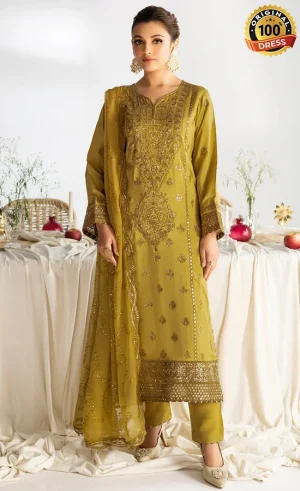
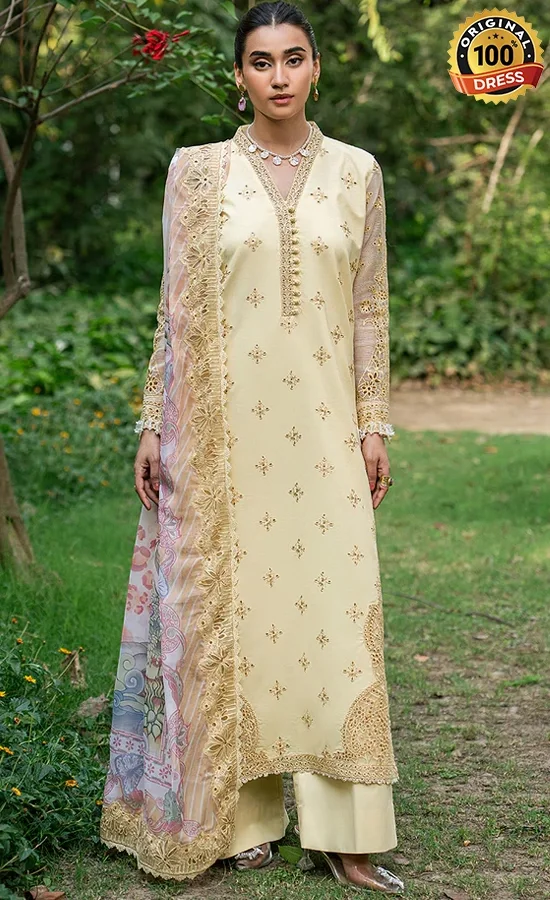
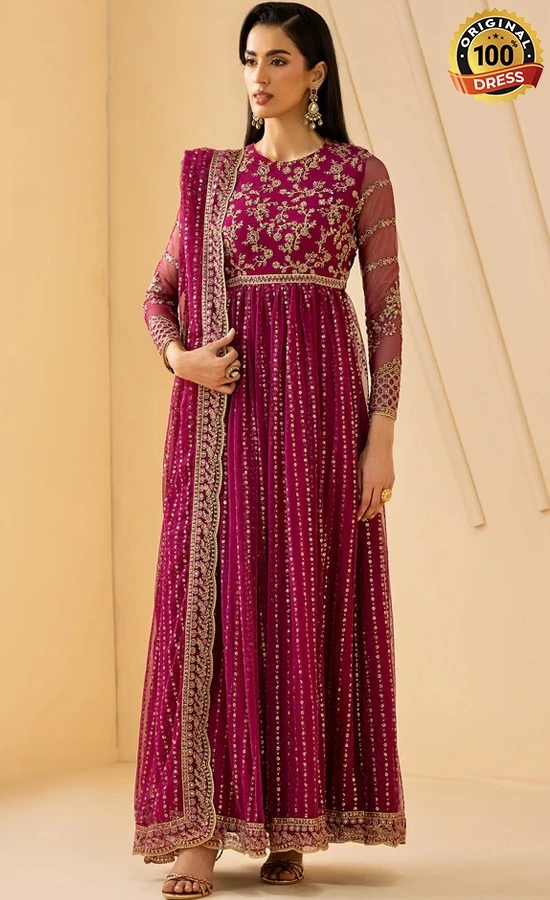
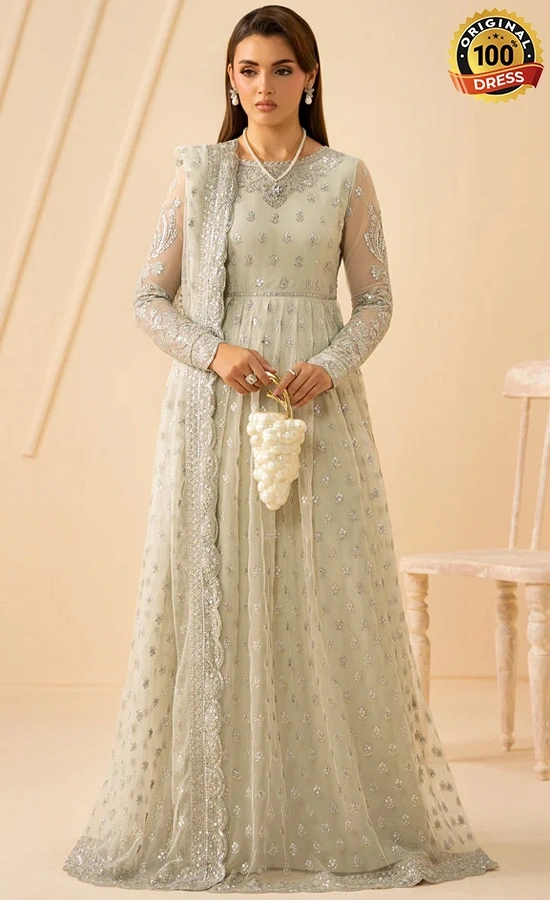
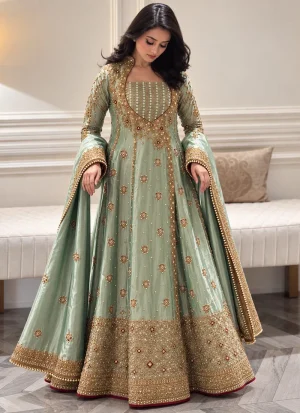
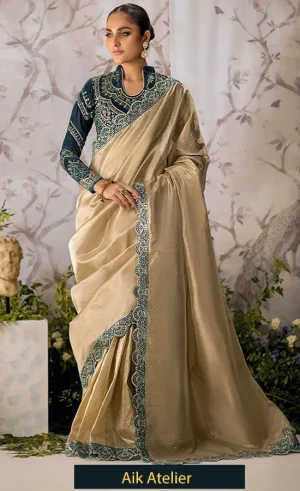
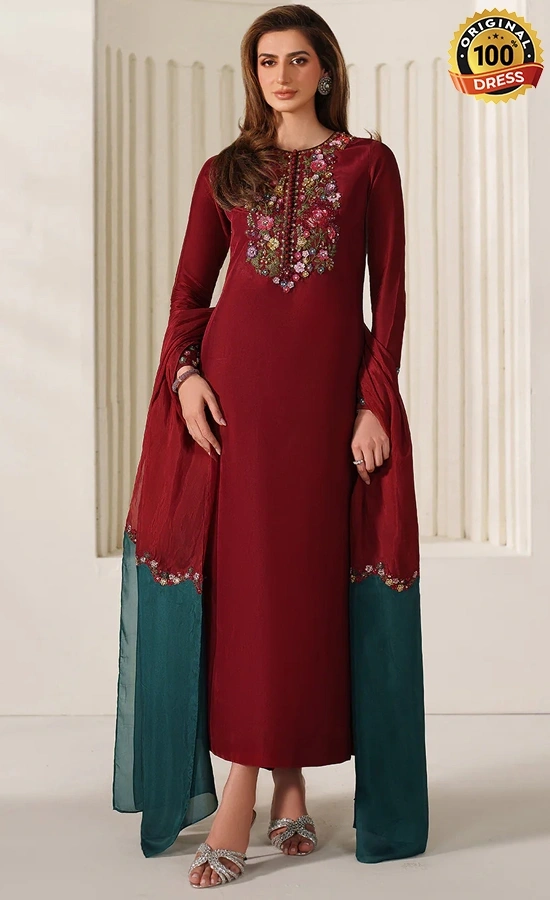
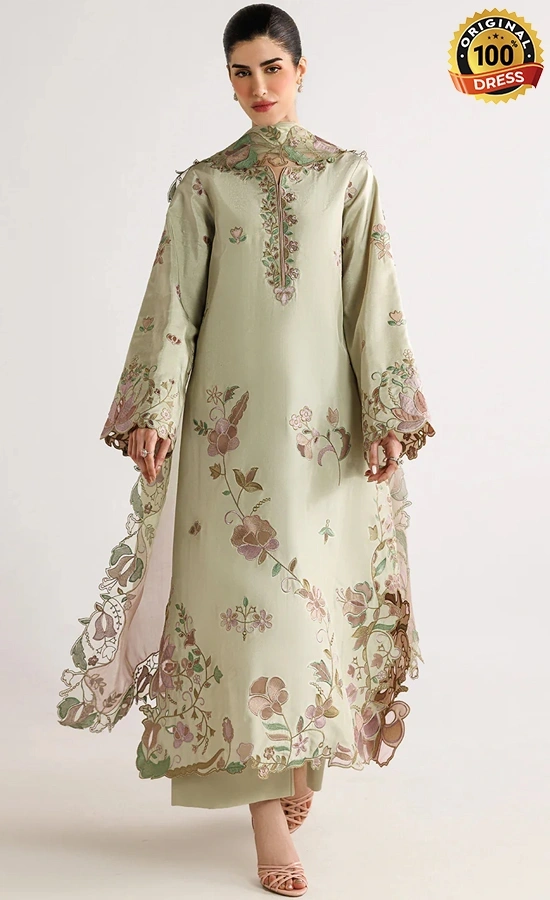
Pakistani formal dresses sit near the top of the dress code, one step below bridal wear. They are made in richer fabrics such as organza, net, silk, chiffon and velvet, and carry denser work, from dabka and zardozi to sequins, cutdana and resham, usually as a three-piece with a dupatta. This collection is for evening occasions where a heavily embellished outfit is expected: formal dinners, engagement parties, anniversaries and gala evenings, in straight shirts, maxis, shararas and floor-length pishwas. For outfits grouped by wedding function, see our wedding guest outfits by function.
Ergebnisse 1 – 20 von 319 werden angezeigtNach Aktualität sortiert
-

-
-
-
-
-
 €198.00
 -
 €167.00
 -
 €179.00
 -
 €278.00
 -
€263.00
-
€263.00
-
€239.00
-
€215.00
-
€174.00
-
€167.00
-
€162.00
-
€186.00
-
€167.00
-
€198.00



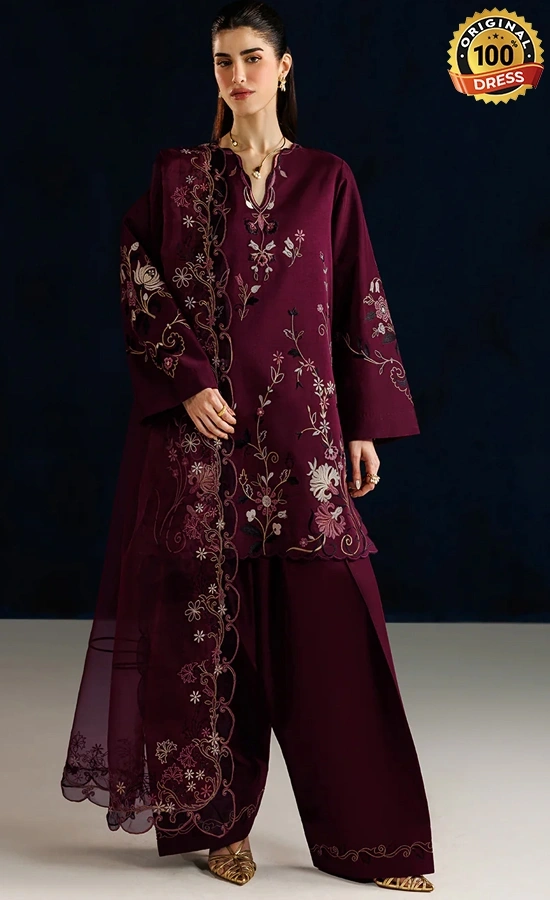

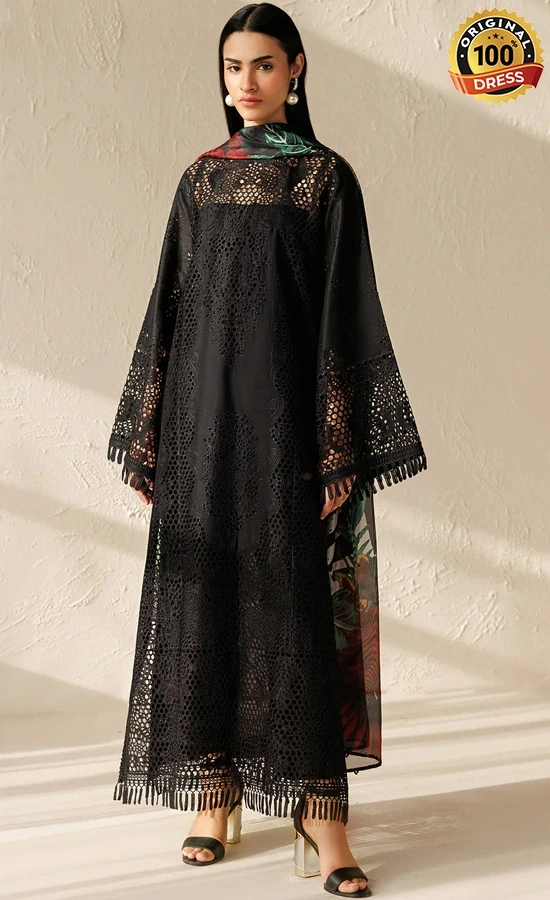
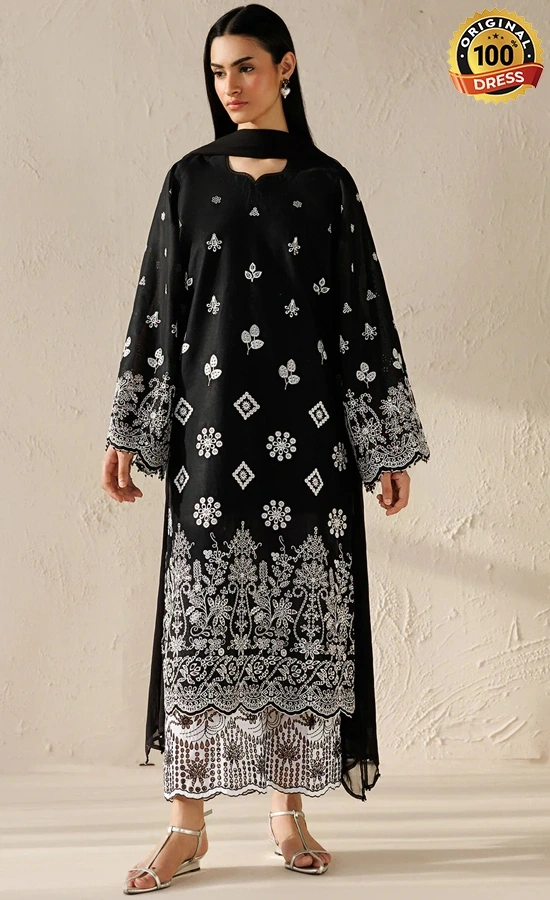
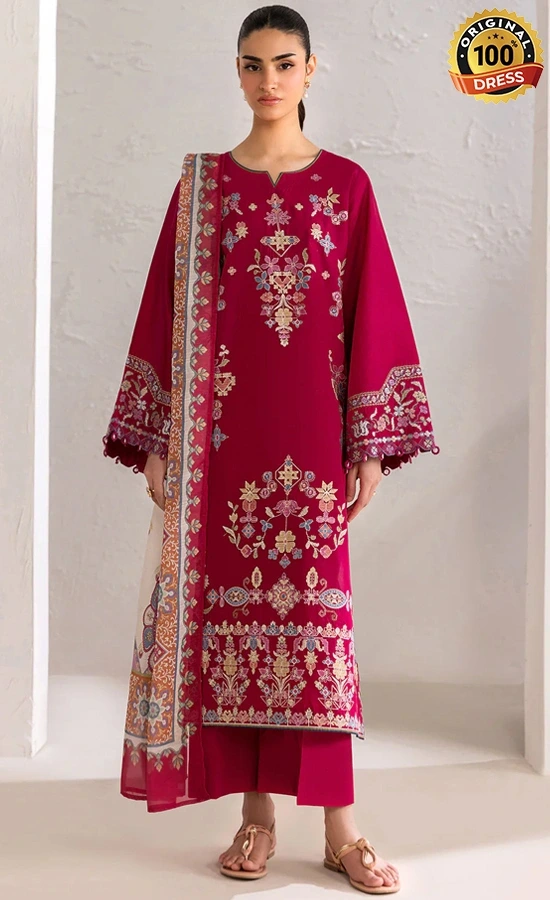
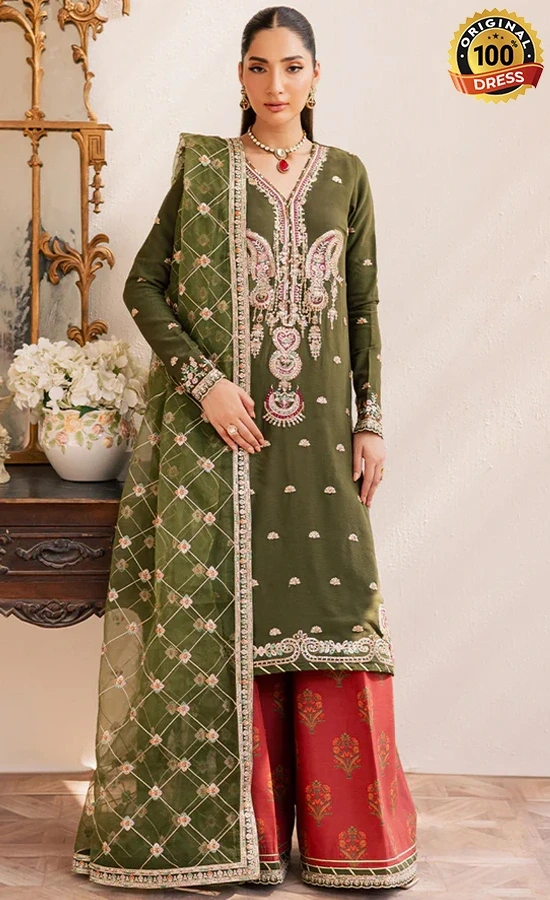
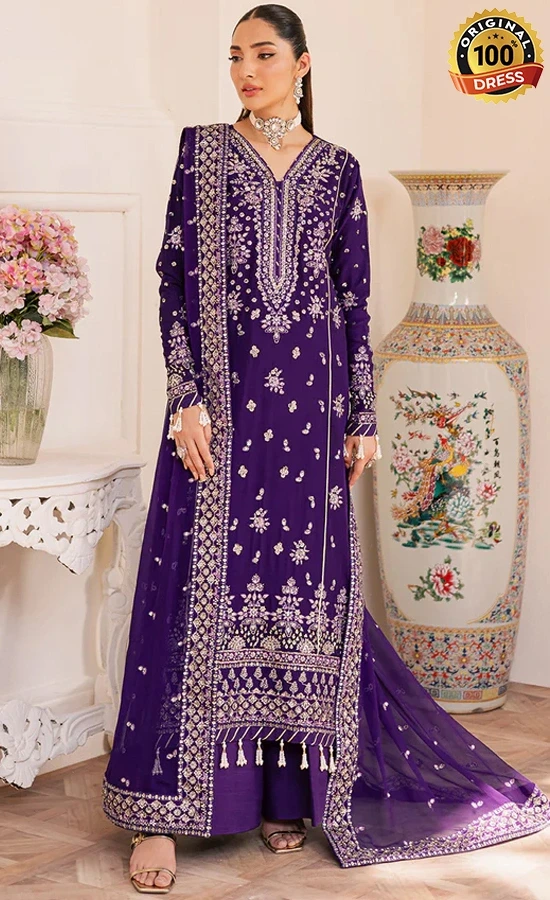

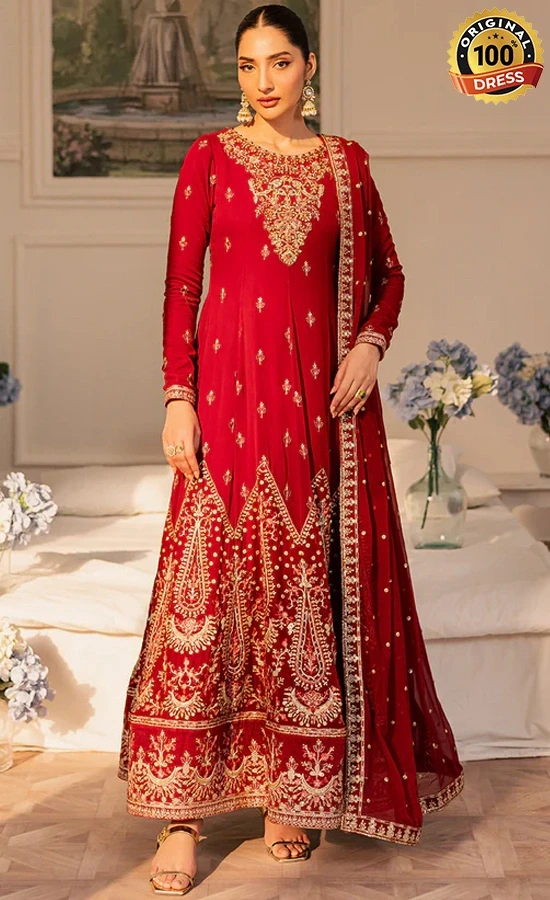
Ergebnisse 1 – 20 von 319 werden angezeigtNach Aktualität sortiert
Where Formal Sits on the Pakistani Dress Code
Pakistani fashion grades outfits by occasion rather than by garment. Everyday pret is simple and quick to wear; luxury pret and party wear add measured embroidery for Eid, dawats and family dinners; formals carry heavy work on richer fabric and are made for one particular evening; bridal wear sits above everything. You can usually recognise a formal outfit by three things: embellishment that covers the neckline, sleeves and hem rather than a single panel, a fabric with body or sheen, and a dupatta worked to the same level as the shirt.
Formal Silhouettes, from Straight Shirts to Pishwas
- Straight shirt with trousers: the most classic formal cut, often in organza or silk with embroidery down the front panel and along the borders. Our salwar kameez collection covers straight and A-line styles.
- Shirt with sharara: festive but still formal, with the flare doing part of the work; see our sharara outfits.
- Maxi or gown: a floor-length, one-piece look that needs little styling; browse our Pakistani maxi dresses.
- Pishwas: the fullest formal silhouette, flared through many panels to the floor; see the pishwas range.
Dressing for a Formal Evening Event
Most formal occasions happen after dark and indoors, so choose with the lighting in mind. Metallic dabka, zardozi and sequins catch artificial light and look richer in photographs than flat thread work, while deep jewel tones such as emerald, wine, navy and black keep their depth under warm lighting where very pale shades can look washed out. At a seated dinner, a dupatta pinned at one shoulder stays in place far better than one draped loosely over both arms. In the colder months, velvet and raw silk give a formal outfit weight and warmth.
Formal Wear for Weddings and Beyond
Formals are what many families wear to the main wedding functions, but this collection is just as much for evenings that have nothing to do with a wedding: an anniversary dinner, a community gala, an engagement party where you are a guest. As a rule, if the invitation mentions a hall, a stage or a dress code, formal is the right level. If it is Eid, a birthday or a dawat at someone’s home, a formal outfit can feel like too much, and our party wear is pitched a step lighter.
Heavily embroidered necklines and sleeves are hard to alter after delivery, so compare the size chart with your own measurements before you order.